
Reconnecting with Biodiversity and Sustainable Development
CHINCHILEJO Foundation (EIN: 93-2687815)
Weaving Knowledge, Nature, and Communities
A collaborative initiative between The Santo Grial and the CHINCHILEJO Foundation to provide environmental education in schools and marginalized communities across Central America, South America, and the Caribbean. Education is a key driver of development. In marginalized communities, economic and social limitations reduce educational opportunities, perpetuating cycles of poverty and exclusion. This project aims to democratize knowledge through workshops, educational materials, and participatory activities that promote practical and meaningful learning. Fostering the value of knowledge will strengthen communities’ self-esteem and ability to identify and solve their own challenges.
Why Is It Urgent?
The world today faces critical challenges in sustainability, biodiversity preservation, and equitable access to knowledge. Marginalized communities often lack adequate access to educational tools, sustainable development opportunities, and resources to value and protect their environment. This project seeks to raise awareness about the interconnection between knowledge, biodiversity, and sustainable development, empowering these communities and fostering meaningful, long-lasting change. This project addresses the urgent need to integrate knowledge, biodiversity, and sustainable development into the lives of marginalized communities. By empowering these communities with education and sustainable practices, we contribute to creating a more just, resilient, and environmentally harmonious society. This holistic approach is essential to achieving the Sustainable Development Goals (SDGs) and ensuring an inclusive and sustainable future for all. In short, investing in free education with a focus on biodiversity and sustainability not only transforms individuals but also strengthens entire communities, enabling fair and balanced development.
- Educational gap: 72% of rural schools in target regions lack access to sustainability curricula (UNESCO).
- Biodiversity loss: Latin America has lost 94% of its species since 1975, and 60% of target ecosystems could be irreversibly damaged by 2030 (WWF Living Planet Report).
- Alignment with SDGs: Directly contributes to:
- SDG 4 (Quality education)
- SDG 13 (Climate action)
- SDG 15 (Life on land)
Transformative Impact—Biodiversity as a Vital Resource
Biodiversity is essential for human and environmental well-being, providing natural resources, ecosystem services, and resilience against climate change. Many marginalized communities live near biodiversity-rich areas, but a lack of awareness of its importance and unsustainable management lead to resource depletion and environmental degradation. This project will educate communities about local biodiversity, its role in sustainability, and how they can become active guardians of their natural surroundings.
- Community empowerment
- Development of local economies based on sustainable use of regional resources
- Training in sustainable agriculture and tourism
- Guardians of biodiversity
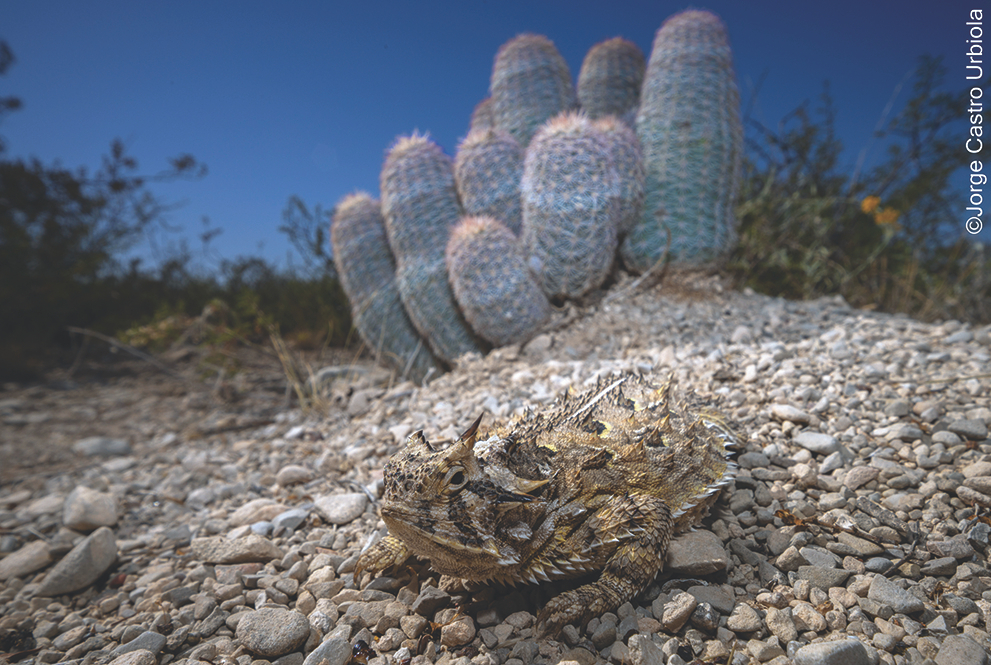
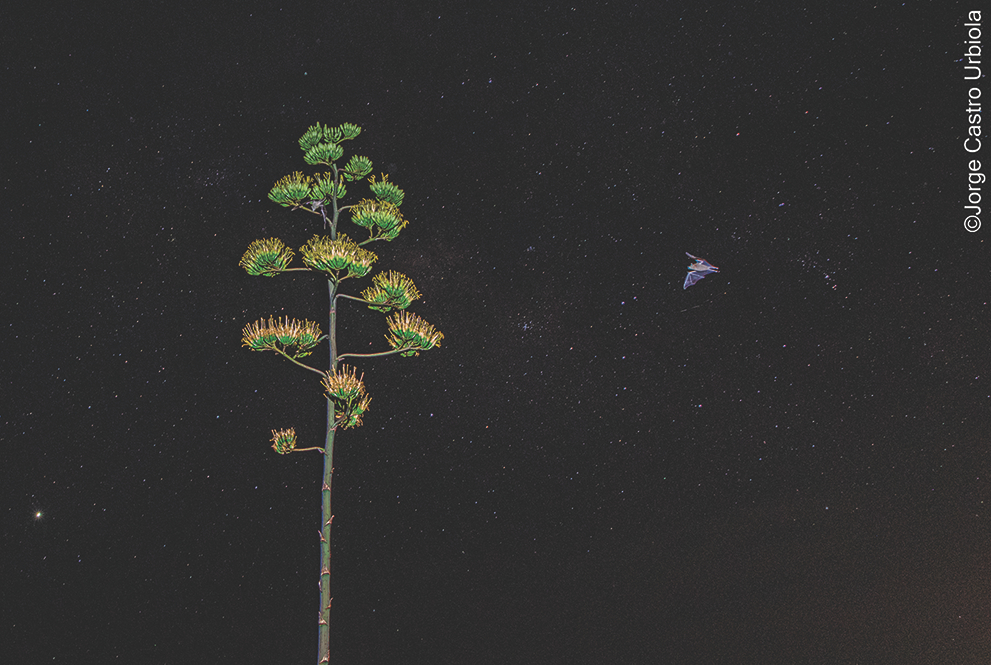
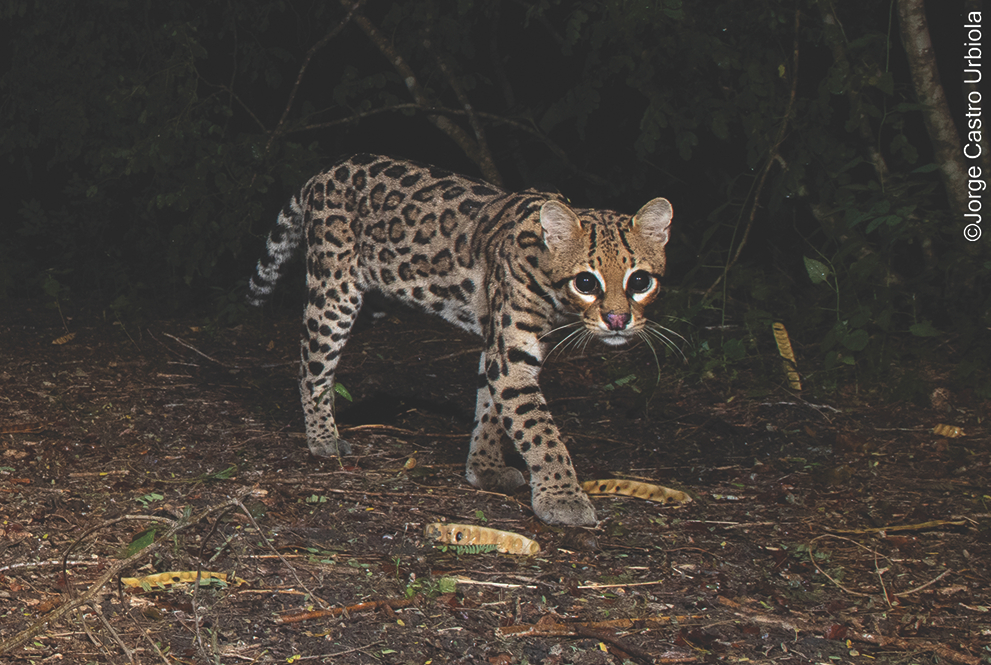
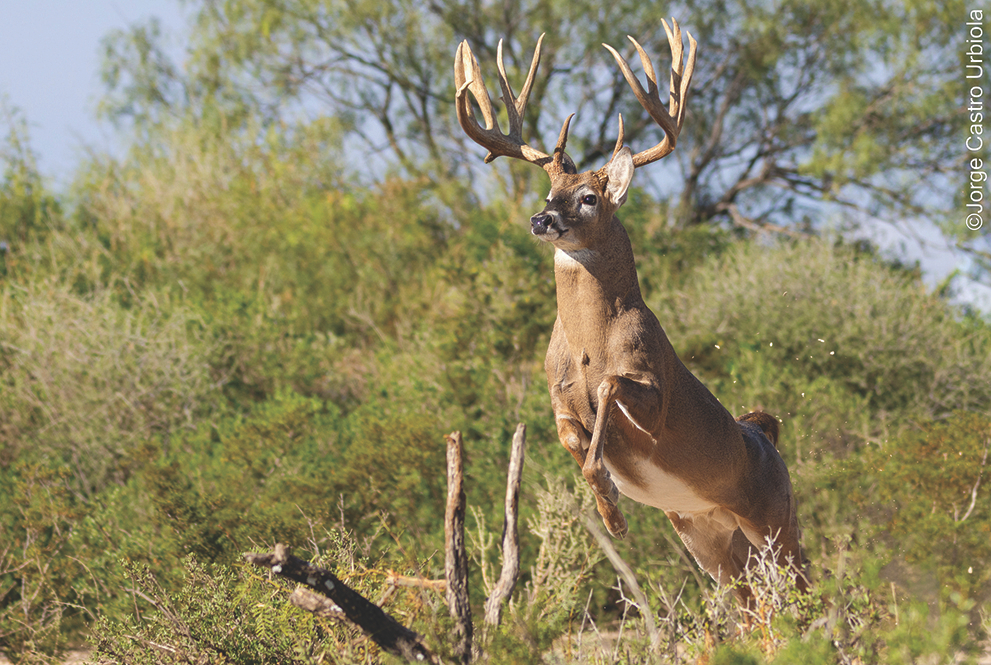
- Educational content on 200+ native species and ecosystems
- Community-led conservation projects in 15 priority areas
- Sustainable livelihoods
- Development of nature-based and ecotourism in protected areas
Social and Community Impact
- Environmental awareness: Learning about biodiversity helps marginalized communities develop greater respect and care for their environment.
- Local empowerment: Knowledge of how to conserve natural resources motivates communities to protect and sustainably use their biodiversity.
- Reducing inequalities: Equitable access to educational materials levels the playing field for underserved populations.
Contributions to Sustainable Development
- Resource conservation: Teaching sustainable practices contributes to proper management of local resources, preventing degradation.
- Income generation: Understanding biodiversity allows communities to identify sustainable economic opportunities, such as ecotourism or organic farming.
Building a resilient future: Education focused on sustainable development prepares communities to face future environmental and social challenges.
Strengthening Cultural and Natural Values
- Preserving heritage: The connection between knowledge and biodiversity fosters appreciation for local ecosystems and traditional practices.
- Promoting identity: Communities take pride in their resources and their role as environmental stewards.
Benefits for Schools and Communities
- Community empowerment: Encouraging practical knowledge to solve local problems.
- Environmental awareness: Raising awareness about the value of biodiversity and the need to preserve it.
- Reducing inequalities: Providing equitable access to educational information and resources.
- Economic development: Promoting sustainable activities that generate income and reduce external dependence.
Educational benefits
- Access to knowledge: Free educational materials ensure children and adults have access to valuable information, regardless of their economic situation.
- Critical thinking development: Understanding the link between biodiversity and sustainable development fosters analytical skills, problem-solving, and responsible decision-making.
- Improved academic performance: Integrating relevant and contextualized topics into education increases student engagement in learning.
Gallery

Your Tax-Deductible Contribution to EIN 93-2687815 Supports
🌿 Field Conservation Efforts
- Specialized equipment for documenting rare or uncommon species
- Production of educational materials for marginalized communities
📚 Environmental Education
- Printing and distribution of ecological awareness posters
- School supplies for remote villages and marginalized communities
🚤 Community Access
- Transportation to hard-to-reach ecosystems for research
- Delivery of educational materials to marginalized schools
🤝 Cultural Preservation
- Support for traditional knowledge documentation
- Workshops on sustainable practices for native communities
Every Dollar Makes an Impact
- $1-$99= Every cent count and helps to reach the goals.
- $100 = Photography equipment and Camera trap for wildlife monitoring
- $150 = Educational materials for one classroom
- $250 = Supports a research expedition to protected areas
🔗 Donate Now: https://chinchilejo.org
📞 Questions? Call +1 (415) 555-0192
“Your support helps bridge science and ancestral wisdom in the Amazon.”
CHINCHILEJO Foundation
EIN 93-2687815 | 501(c)(3) Nonprofit
Weaving Identity, Healing the Earth
EIN 93-2687815 | Certified 501(c)(3) Organization
Join the Movement
🔗 Donate Securely: https://chinchilejo.org
✉ Get Involved: info@chinchilejo.org
Why Invest?
- Proven Model: 82% of participating schools report increased environmental awareness (2023 Report).
- Multiplier Effect: Every $1 invested generates $7 in community benefits.
- Urgency: 60% of target ecosystems could be irreversibly damaged by 2030.
“When we teach children to see the forest as their classroom, we cultivate generations of planet guardians.” -chinchilejo Education Team
CHINCHILEJO Foundation
EIN: 93-2687815
Rooted in Knowledge, Growing a Sustainable Future